Empowering Patients: Navigating the Journey Through Cancer with Education and Support
Knowledge is power, especially when it comes to something as daunting as a cancer diagnosis. The moment the word ‘carcinoma’ is brought into a conversation, the world feels as if it’s turned upside down for many. Suddenly, patients find themselves thrust into the complex realm of oncology, filled with medical jargon, treatment options, and an overwhelming array of emotions. But there’s a silver lining in this fight against malignancy: education. By unlocking knowledge, patients can transform themselves from mere recipients of information into empowered warriors against their neoplasm. How do we begin this journey? Let's explore the vital role of education in patient empowerment.
Imagine a patient named Sarah, who faced a breast cancer diagnosis. Initially, she was lost and frightened, overwhelmed by the various treatment options available, from chemotherapy to surgery. However, as she began to delve into cancer research, reading about clinical trials and survival statistics, a sense of control emerged. Sarah's story illustrates that understanding pathology is not just about knowing the science of a tumor; it’s about reclaiming agency over one’s health. This empowerment is critical, as patients who actively engage in their health education are often better equipped to make informed decisions about their care.
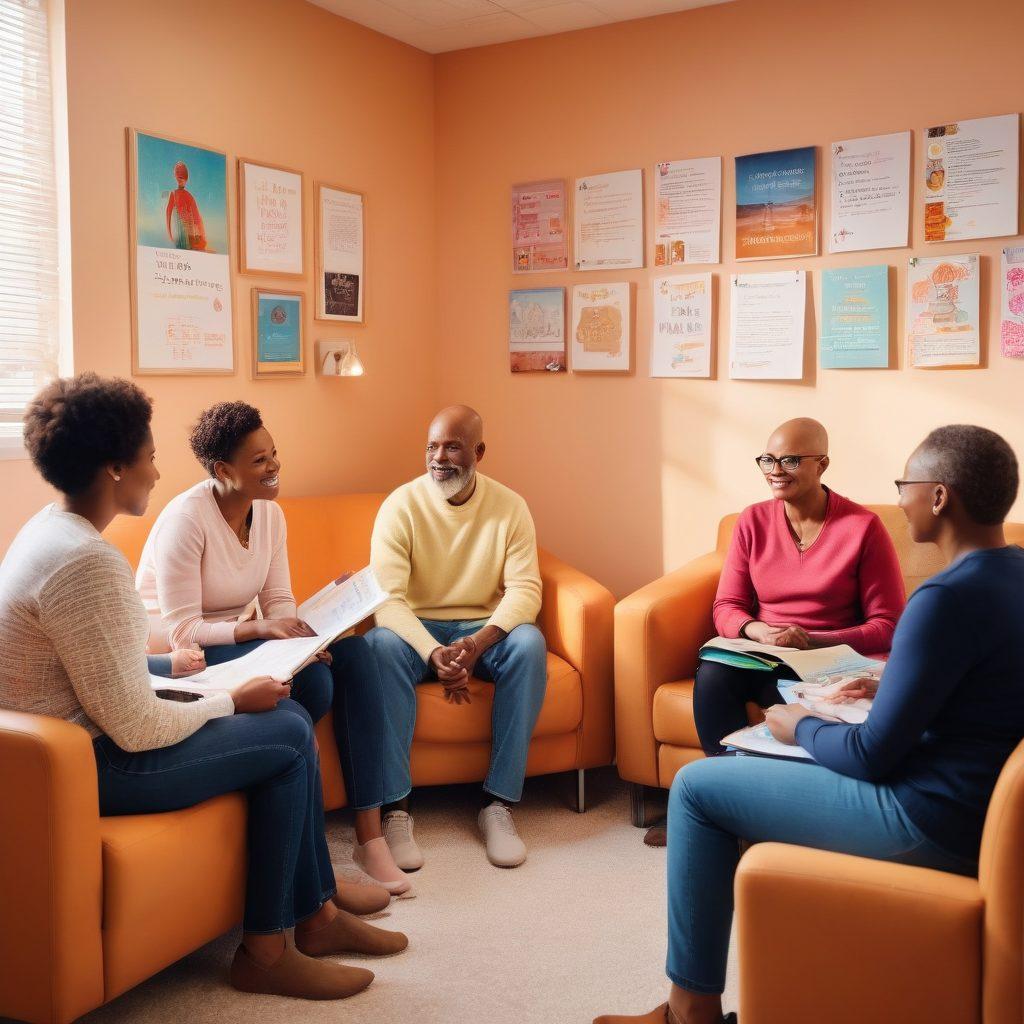
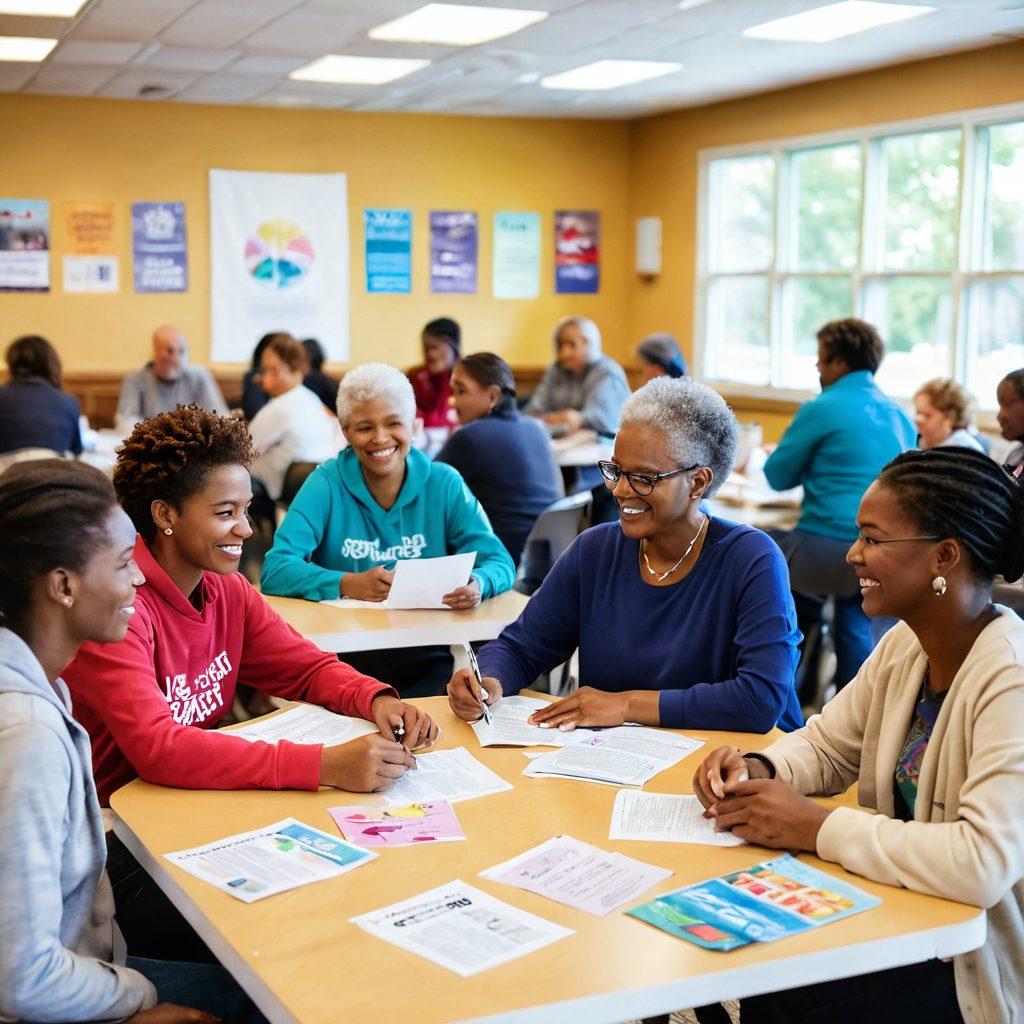
Engaging in health initiatives and disease awareness campaigns allows patients to access healthcare resources that provide vital medical information on their specific types of malignancy. From educational workshops to support groups, these platforms serve as both information hubs and safe spaces for sharing patient stories. There’s an undeniable strength in community, and learning from those who have walked similar paths opens doors to understanding that they are not alone. This camaraderie often alleviates fears associated with treatment, whether it’s about the side effects of therapy or the challenges during survivorship.
Furthermore, patient education extends beyond just understanding one’s diagnosis. It encompasses preventive care and the importance of screening and early detection. Being educated about potential risk factors and recognizing early warning signs can drastically change outcomes. As the saying goes, "An ounce of prevention is worth a pound of cure." When patients remain proactive about their health through structured learning, they not only contribute to their own wellness but also advocate for informed preventive measures in their communities.
The journey through cancer is undoubtedly a tough one, but with education serving as a guiding light, patients can feel empowered to advocate for themselves. Armed with knowledge about treatment options—ranging from the latest therapy advancements to traditional methods—they can approach medical consultations with confidence. Empowerment through education ultimately leads to improved psychosocial support, ensuring that patients are not merely surviving but thriving in the face of adversity. So, what will your journey be? Will you stand by, or will you seize the opportunity to be educated, empowered, and an active participant in your own health?
From Diagnosis to Survivorship: Navigating Treatment Options and Support Systems
Navigating the journey through cancer can often feel overwhelming, especially from the moment one receives the daunting news of a diagnosis. The very word 'cancer' conjures up images of malignancy, uncertainty, and fear. Yet, amidst this storm, empowerment through health education and supportive resources can be the guiding light. Have you ever wondered how knowledge can transform apprehension into action? By understanding treatment options and leveraging support systems, patients can take a more proactive approach to their journey, from diagnosis to survivorship.
Once the diagnosis is made, often involving terms like carcinoma or neoplasm, patients are faced with a multitude of decisions and treatment options. Familiarizing oneself with the specifics of oncology is crucial. It is essential to comprehend what type of tumor is present, explore the available therapies, and grasp the nuances of each treatment plan. It is not uncommon to feel like you are drowning in medical jargon, but patient education initiatives and consultations with healthcare professionals can clarify complexities. Remember, your health is your wealth—invest time in understanding your condition and the options that lie ahead.
Engaging in preventive care strategies, such as regular screenings and early detection practices, can dramatically affect outcomes. As the old adage goes, 'An ounce of prevention is worth a pound of cure.' By discussing health initiatives and disease awareness with your healthcare provider, you can arm yourself with crucial information that aids in your fight against cancer. As stories of survival flourish, the collective experiences of those who've walked this path remind us that resilience is often built upon education and preparation.
It’s vital not to overlook the psychological aspect of cancer treatment. Psychosocial support systems, including support groups, play an integral role in fostering a sense of community amongst patients. Sharing patient stories not only validates feelings of fear and frustration but also cultivates hope. These groups can be a sanctuary for emotional release, lifting the burden of isolation. Have you thought about reaching out to someone who has faced similar challenges? Empathy is a powerful healer, and connection can sometimes feel like the best medicine.
Finally, the journey doesn't end with treatment; survivorship is a critical phase that emphasizes wellness and maintaining a quality lifestyle post-cancer. Empowerment extends beyond the clinical realm, investing in one's health through ongoing education and wellness activities. Engage with cancer research initiatives or clinical trials to remain abreast of the latest findings that could aid in longevity and quality of life. So ask yourself, how can you remain an active participant in your health journey? By embracing continuous learning and connecting with available healthcare resources, the path from diagnosis to survivorship can transform from one of fear to one of hope and resilience.
Stronger Together: How Community and Resources Enhance the Cancer Journey
Navigating the cancer journey can often feel like standing at the base of a towering mountain, looking up at the unknown challenges ahead. For patients facing malignancies such as carcinoma or neoplasm, the path may be daunting, but one essential truth remains: we are stronger together. The support of a community bolstered by robust healthcare resources can make all the difference in overcoming the obstacles posed by a disease like cancer. Today, let's explore how community, education, and support can empower patients and enhance their cancer journey, leading to improved wellness and survivorship.
Imagine stepping into a room filled with individuals who share similar fears, hopes, and experiences. Support groups act as a beacon of light amidst the darkness that a cancer diagnosis can bring. Here, patients can share their stories, exchange medical information, and gain encouragement from one another. These intimate gatherings foster a powerful sense of camaraderie, reminding individuals that they are not alone in their fight against disease. In turn, this reduces the feeling of isolation and opens doors to treatment options that may have seemed unreachable before, igniting hope and empowerment.
Health education is a cornerstone of navigating cancer effectively. Armed with knowledge about pathology and potential treatment therapies, patients can become well-versed advocates for themselves. Community health initiatives often promote disease awareness, providing tailored information about preventive care and early detection. For instance, participating in clinical trials can lead to groundbreaking advancements in cancer research, offering patients cutting-edge therapy options. Such initiatives help demystify the landscape of oncology, encouraging informed decision-making and self-empowerment along the way. What if the key to transforming one’s prognosis lie in knowledge and community support?
Moreover, the psychological aspect of dealing with cancer cannot be understated. Patients who experience psychosocial support are often more resilient, equipped to manage the stress and uncertainty that accompany invasive treatments or surgeries. This support can take the form of counseling, patient education workshops, or online forums that connect patients with others undergoing similar journeys. As they share their experiences and confront their fears, they build not only confidence but also a web of strength that helps in the relentless pursuit of wellness and healing. How might your story inspire someone else going through a similar ordeal?
In the realm of healthcare and cancer survivorship, the emphasis on community, education, and resourcefulness is paramount. Whether through joining support groups, engaging with health education, or participating in innovative clinical trials, patients can achieve a sense of agency over their treatment journey. With every shared experience and piece of medical information exchanged, the cancer community grows stronger, paving the way for breakthroughs in health and wellness. So, take heart, and remember that in this battle, we are indeed stronger together—empowered by the knowledge that together, we can redefine what it means to navigate the cancer journey.